


Blog / Auto Financing Tips

Blog

All Auto Financing Tips Millersburg Chevrolet Dealer Chevrolet SUVs Chevrolet Trucks My Car Chevrolet GMC Service
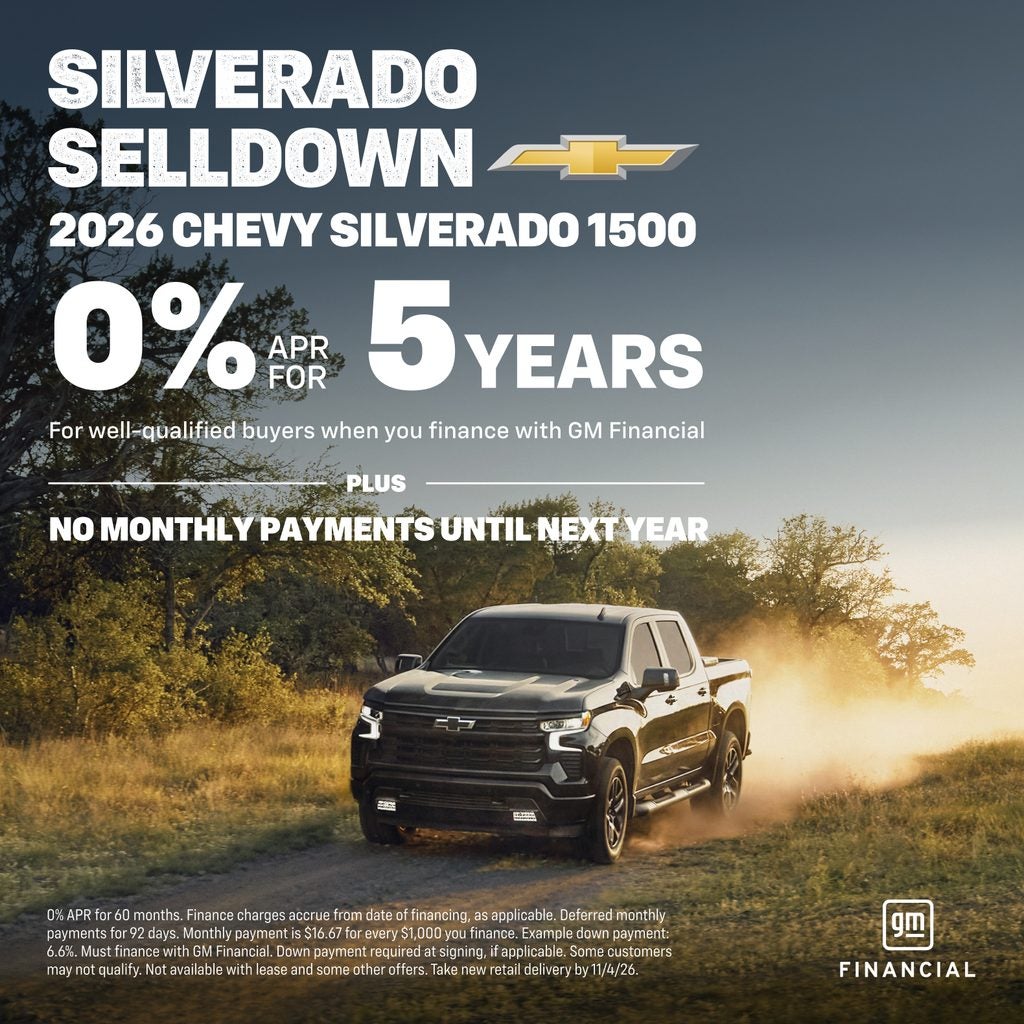
Chevrolet and GMC vehicles at a dealership with financing and cash rebate options

0% APR vs. Cash Rebate: Which Car Deal Saves You More?

When shopping for a new Chevrolet or GMC, you've probably seen advertisements offering 0% APR financing, cash rebates, or special manufacturer incentives. Both can make buying a new vehicle more affordable. But which offer actually saves you more money? The answer depends on the vehicle's price, the size of the rebate, your available interest rate, and how long you plan to finance your purchase. For car shoppers around Harrisburg and Central Pennsylvania, understanding the difference between 0% APR vs. cash rebates can help you make a more informed decision before signing your next auto loan. Let's break down how these incentives work, compare real numbers, and explain when each option may be the better deal. What Does 0% APR Financing Mean? 0% APR financing means you're borrowing money without paying interest or finance charges on the qualifying loan. For example, imagine purchasing a new Chevrolet with an amount financed of $30,000. With 0% APR financing for 60 months: Amount financed: $30,000 Interest rate: 0% Loan term: 60 months Monthly payment: $500 Total loan payments: $30,000 In this simplified example, you pay back exactly what you borrowed. With a traditional auto loan, interest increases the total amount you repay. That's what makes zero-percent financing attractive, particularly when financing a substantial portion of a new vehicle's purchase price. However, 0% APR offers are typically available only on select vehicles, for specific loan terms, and to qualified buyers. What Is a Cash Rebate on a New Car? A cash rebate, sometimes called customer cash or a manufacturer cash allowance, is an incentive that reduces the effective purchase price of a qualifying vehicle. For example, imagine a Chevrolet SUV with a negotiated selling price of $35,000. If a qualifying $3,000 rebate applies, the effective vehicle price becomes $32,000 before applicable taxes, fees, and other transaction adjustments. Unlike 0% financing, a cash rebate directly reduces the vehicle's purchase cost. But there's an important distinction. If you finance the remaining balance at a standard interest rate, you'll still pay interest over the life of the loan. That's why a larger upfront rebate doesn't automatically mean a lower overall cost. 0% APR vs. Cash Rebate: A Real Payment Comparison Let's compare two hypothetical offers on the same $35,000 vehicle. Option A: 0% APR for 60 Months Vehicle price: $35,000 Cash rebate: $0 Amount financed: $35,000 APR: 0% Term: 60 months Monthly payment: $583.33 Total loan payments: $35,000 Option B: $3,000 Cash Rebate With 6% APR Financing Vehicle price: $35,000 Cash rebate: $3,000 Amount financed: $32,000 APR: 6% Term: 60 months Monthly payment: approximately $618.65 Total loan payments: approximately $37,119 Comparison 0% APR $3,000 Rebate Amount financed $35,000 $32,000 APR 0% 6% Loan term 60 months 60 months Monthly payment $583.33 $618.65 Total loan payments $35,000 $37,119 In this example, choosing 0% APR saves approximately $2,119 over the full loan term. Even though the rebate reduces the amount financed by $3,000, the interest charged on the remaining balance more than offsets those savings. These figures are illustrative, not current dealership offers. They assume no down payment, trade-in, taxes, fees, or additional financed products, and assume the quoted APR reflects the stated interest rate without separate finance charges. When Is 0% APR Financing the Better Deal? Zero-percent financing can be especially attractive when you're financing a larger amount over several years. Consider a few situations. You're Financing Most of the Vehicle's Price The more money you borrow, the more interest you could potentially pay with a conventional auto loan. Eliminating interest can create substantial savings over the life of the loan. The Available Cash Rebate Is Relatively Small If you're choosing between 0% APR and a modest rebate, the interest savings may easily exceed the rebate's value. You Plan to Keep the Loan for Its Full Term If you expect to make every scheduled payment over the entire financing period, comparing total loan payments provides a useful picture of the cost difference. The Monthly Payment Fits Your Budget A 0% APR offer isn't automatically the best choice if it requires a shorter loan term with payments you can't comfortably afford. Always consider both affordability and total cost. When Is a Cash Rebate the Better Deal? A cash rebate can sometimes provide greater financial value than promotional financing. You're Paying Cash for the Vehicle If you aren't financing your purchase, a 0% APR loan offers no interest savings relative to paying cash. A qualifying cash rebate may therefore be more useful. You Have a Large Down Payment A substantial down payment reduces the amount you need to finance. When you're borrowing less money, the total interest savings from a promotional rate may also be smaller. You Qualify for a Competitive Interest Rate If you can obtain a low APR through a bank, credit union, or another lender, combining that financing with an eligible cash rebate may produce a lower total cost. The Rebate Is Large Enough to Offset Interest The bigger the rebate, the more compelling the cash incentive may become. A useful way to think about the decision is: Does the rebate exceed the additional financing cost of choosing the standard-rate loan? If it does, the rebate may be the better financial choice, assuming the other transaction terms are comparable. Can You Combine 0% APR Financing With a Cash Rebate? Sometimes, but not always. Certain manufacturer incentives can be combined, while others are mutually exclusive. For example, a promotional financing offer might require you to give up a specific customer cash incentive. Other offers may allow additional qualifying incentives, depending on the program. This is why it's important to review the actual Chevrolet or GMC incentive details for the vehicle you're considering. Don't assume that every advertised discount can be combined with every advertised financing rate. Ask which incentives are available together and request a comparison of the eligible offers. Does 0% APR Mean No Down Payment? Not necessarily. A 0% APR offer means qualifying financing carries no interest or finance charges. It doesn't automatically guarantee that you can finance the entire vehicle purchase without putting money down. Your required down payment may depend on your credit profile, the vehicle, the amount financed, lender guidelines, and the promotional program. Taxes, registration, title fees, and other transaction costs also need to be accounted for. Before purchasing, review the full amount due at signing and the total amount financed. Who Qualifies for 0% APR Financing? Promotional financing programs generally have eligibility requirements. These may include credit qualifications, eligible models, specific loan terms, and financing through a designated lender. Buyers with stronger credit profiles are typically more likely to qualify for the lowest advertised financing rates. However, qualification isn't determined by a single universal credit-score threshold. The requirements depend on the specific offer and lender. If you don't qualify for 0% APR, that doesn't necessarily mean you can't finance the vehicle. You may still have other financing options available. Does a Longer Loan Term Make a Better Deal? Not automatically. A longer loan term can lower your monthly payment by spreading the balance over more months. But when interest is charged, a longer repayment period can increase your total borrowing cost. For example, a 72-month loan may offer a more manageable monthly payment than a 48-month loan, but the total interest paid may be greater. That's why comparing only monthly payments can be misleading. When evaluating financing offers, look at the APR, loan term, amount financed, monthly payment, and total of payments. What If You Plan to Pay Off Your Car Early? Your expected payoff timeline can influence the comparison. If you choose a standard-rate loan with a cash rebate but pay off the balance significantly earlier than scheduled, you may pay less interest than the original full-term estimate. That could make the rebate more attractive. However, the outcome depends on the loan's actual terms, how interest is calculated, and whether any prepayment restrictions or charges apply. Before making a decision based on early repayment, review the financing agreement carefully. Does Your Trade-In Affect the Decision? Yes. Your current vehicle's trade-in value can change the amount you need to finance. If your vehicle has positive equity, that equity may reduce the amount financed on your next purchase. If you owe more than your vehicle is worth, you have negative equity. Negative equity may need to be paid separately or, subject to lender approval, incorporated into the next vehicle's financing. Either situation can influence whether 0% APR or a cash rebate produces the better overall result. The most useful comparison includes your trade value, current payoff, down payment, eligible incentives, and financing terms. How to Compare Chevrolet and GMC Financing Offers Before choosing between promotional financing and cash incentives, ask for two complete purchase scenarios. Scenario A: Promotional APR Financing Request the vehicle selling price, applicable incentives, amount financed, APR, loan term, monthly payment, and total of payments. Scenario B: Cash Rebate With Alternative Financing Request the same information, including the eligible rebate and the actual alternative APR available to you. Make sure both scenarios use consistent assumptions for your down payment, trade-in, and optional products. Then compare the total amount you'll pay, including any upfront costs. The better offer is the one that meets your financial priorities and produces the most favorable overall terms. Find Chevrolet and GMC Financing Offers Near Harrisburg, PA If you're shopping for a new Chevrolet or GMC near Harrisburg, comparing available incentives can be just as important as comparing vehicles. At My Car Chevrolet GMC in Millersburg, Pennsylvania, our team can help you explore available manufacturer incentives, financing programs, and vehicle options. Whether you're considering a Chevrolet Silverado, Colorado, Trax, Equinox, Traverse, GMC Sierra, Terrain, or Acadia, the best available offers can vary by model and timing. We're located at 640 State Street, Millersburg, PA 17061, serving drivers from Harrisburg, Halifax, Elizabethville, Lykens, Camp Hill, Selinsgrove, Sunbury, and surrounding Central Pennsylvania communities. Explore our current Chevrolet and GMC inventory, review available specials, or contact our finance team to discuss your options. Final Verdict: Is 0% APR Better Than a Cash Rebate? Neither incentive is always the better deal. Zero-percent financing can save thousands of dollars in interest, especially when financing a larger amount over several years. Cash rebates can offer greater savings when the incentive is substantial, the alternative financing rate is competitive, or you're paying cash. The most important thing is to compare the entire transaction. Don't choose a deal solely because it advertises a large rebate or an attractive monthly payment. At My Car Chevrolet GMC, you can explore available Chevrolet and GMC offers and compare your options before deciding which vehicle and financing structure fit your needs. Frequently Asked Questions About 0% APR and Cash Rebates Is 0% APR better than a cash rebate? It depends on the rebate amount, alternative financing rate, loan term, and amount financed. Zero-percent financing may save more in interest, while a large cash rebate combined with a competitive rate may provide greater total savings. Is 0% APR financing really interest-free? A genuine 0% APR auto loan has no interest or finance charges on the qualifying financing agreement. However, you still owe the financed principal, and other vehicle purchase costs may apply. Can I get 0% APR and a cash rebate together? Some incentives can be combined, but others cannot. Eligibility depends on the specific manufacturer program, vehicle, and financing terms. What credit score do I need for 0% APR? There is no single universal score requirement. Promotional financing typically requires strong credit, and qualification is determined by the lender and the specific offer. Is a cash rebate better if I pay cash? Often, a cash rebate is more valuable to a cash buyer because there is no financing interest to save. However, the available incentives and purchase terms should still be compared. Does 0% APR mean no monthly payments? No. A 0% APR loan still requires repayment of the amount financed. The zero-percent rate means qualifying financing does not accrue interest. Can I pay off a 0% APR loan early? Early repayment depends on the terms of the financing agreement. Review your contract for any applicable restrictions or charges. Where can I compare Chevrolet and GMC financing specials near Harrisburg? My Car Chevrolet GMC in Millersburg, PA, can help shoppers review available Chevrolet and GMC financing programs and eligible manufacturer incentives.
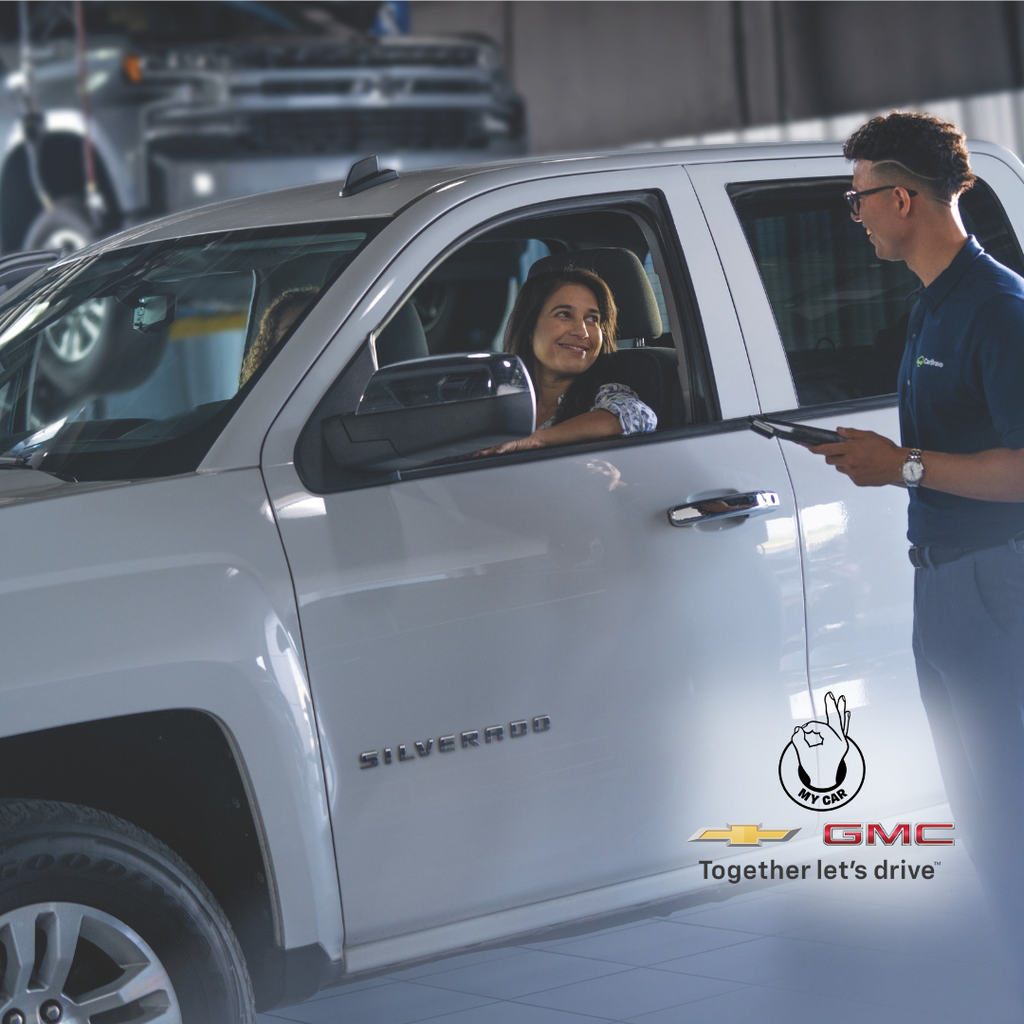
Customer discussing a negative equity vehicle trade-in at a Chevrolet GMC dealership in Central Pennsylvania

What Happens If You Owe More Than Your Car Is Worth?

If you owe more on your auto loan than your vehicle is currently worth, you're not alone — and it doesn't necessarily mean you're stuck with your current vehicle until the loan is completely paid off. This situation is commonly known as being upside down on a car loan or having negative equity. Negative equity can become especially important when you want to trade in your vehicle. Before shopping for your next car, truck or SUV, it helps to understand exactly how negative equity works, what happens to the remaining balance when you trade, and what options you may have. For drivers around Harrisburg and Central Pennsylvania, here's what to know before trading in a vehicle you still owe more on than it's worth. What Is Negative Equity on a Car? Negative equity occurs when the amount you owe on your auto loan is greater than your vehicle's current value. For example, imagine: Remaining auto loan payoff: $25,000 Current trade-in value: $20,000 The difference is $5,000. That means you have $5,000 in negative equity. The opposite can also happen. If your vehicle were worth $20,000 but you owed only $15,000, you would have $5,000 in positive equity. Understanding these two numbers — your vehicle's value and your current loan payoff — is the starting point when considering a trade. Why Do People Become Upside Down on Car Loans? Negative equity can happen for several reasons, and having an upside-down loan doesn't automatically mean someone made a poor financial decision. Vehicles generally depreciate over time, but loan balances and vehicle values don't always decline at the same rate. Common factors that can contribute to negative equity include: A small or zero down payment Longer loan terms Rapid vehicle depreciation High mileage Vehicle condition Previous negative equity rolled into the current loan Financing taxes, fees or additional products Changing used-vehicle market values Trading relatively early in the loan For example, during the early portion of a longer-term auto loan, you may still owe a substantial amount while the vehicle has already experienced depreciation. That's why knowing your actual numbers matters more than simply knowing your monthly payment. How Do I Know If I'm Upside Down on My Car? You'll need two pieces of information: 1. Your Current Loan Payoff Your loan payoff is the amount required to satisfy the loan. Don't assume this is identical to the principal balance displayed on your latest statement. Your lender can provide an official payoff amount, which may account for accrued interest or other applicable amounts through a specified date. 2. Your Vehicle's Current Value Next, determine what your vehicle may realistically be worth as a trade. Vehicle value can be affected by: Year Make and model Mileage Trim level Equipment Mechanical condition Exterior and interior condition Accident or vehicle history Current market demand Once you have both figures, the basic calculation is simple: Vehicle Value – Loan Payoff = Equity If the result is negative, you have negative equity. Can You Trade In a Car With Negative Equity? Yes. It may be possible to trade in a vehicle even when you owe more than it's worth. The negative equity doesn't simply disappear, however. The difference between your loan payoff and the vehicle's trade value still needs to be accounted for as part of the transaction. Depending on your situation, there are several ways that may happen. Option 1: Pay the Difference One of the most straightforward approaches is paying the negative-equity difference yourself. Using our previous example: Loan payoff: $25,000 Trade value: $20,000 Negative equity: $5,000 If you were able to contribute $5,000 toward the transaction, that could cover the difference between the trade value and payoff. Of course, not everyone has thousands of dollars available to do this. That's where other options may come into consideration. Option 2: Roll Negative Equity Into Your Next Auto Loan In some transactions, negative equity may be incorporated into financing for the replacement vehicle, subject to lender approval and other factors. Suppose again that you're $5,000 upside down. Rather than paying the entire $5,000 separately, some or all of that amount may potentially become part of the financing on the next vehicle. This can make trading possible, but there is an important consequence: You're financing more than just the replacement vehicle itself. That can increase the amount financed and potentially your monthly payment and total borrowing cost. It may also put you into another negative-equity position on the next vehicle, particularly early in the loan. For that reason, rolling negative equity forward should be evaluated carefully rather than treated as though the old balance disappeared. Option 3: Keep Your Current Vehicle Longer Sometimes the best option is simply waiting. Continuing to make payments can reduce your loan balance. If your balance falls faster than your vehicle loses value, the negative-equity gap may shrink over time. Making additional principal payments, when permitted by your lender and appropriate for your financial situation, may also reduce the balance faster. Waiting can be particularly worth considering when your current vehicle is reliable and you don't urgently need to replace it. Before trading, compare the cost of changing vehicles today against the potential benefit of improving your equity position first. Option 4: Consider a Less Expensive Replacement Vehicle If you need to replace your current vehicle while carrying negative equity, the vehicle you choose next matters. Moving directly into an expensive replacement vehicle isn't your only option. Depending on lender requirements and your overall financial situation, choosing a vehicle at a different price point may help keep the transaction more manageable. However, lenders consider numerous factors when determining how much they're willing to finance relative to a vehicle's value. That's why it's useful to evaluate the entire transaction, rather than choosing a vehicle solely from a target monthly payment. How Much Negative Equity Can You Roll Into a New Car? There isn't one universal dollar amount. Whether negative equity can be included in a new loan — and how much — depends on factors including: The amount of negative equity Price and value of the replacement vehicle Down payment Trade value Credit profile Income and debt obligations Loan structure Lender guidelines This is one reason two buyers with similar trade situations may receive very different financing options. A lender ultimately determines whether a proposed loan meets its underwriting requirements. Does a Down Payment Help With Negative Equity? It can. A down payment reduces the amount that needs to be financed. If you have negative equity, cash contributed toward the transaction can potentially help offset some or all of that difference. For example, someone with $4,000 of negative equity who contributes $2,000 has a different financing situation than someone attempting to finance the entire $4,000 difference. But don't focus exclusively on getting the monthly payment to a certain number. Look at: Vehicle selling price Trade-in allowance Existing loan payoff Negative or positive equity Cash down Interest rate Loan term Amount financed Monthly payment Total cost of borrowing Those numbers together provide a much clearer picture. Can Rebates Help Offset Negative Equity? Manufacturer incentives can sometimes affect the economics of a vehicle purchase, but it's important to understand exactly how a particular offer works. Available incentives can vary by model, location, purchase method and eligibility, and some offers may not be combined with certain financing programs. Rather than assuming a rebate will simply “erase” negative equity, ask to see how the incentive is being applied within the complete transaction. Offers also change frequently, so evaluate the programs available when you're actually ready to purchase. Is Trading an Upside-Down Car Always a Bad Idea? Not necessarily. There are legitimate reasons someone may need or want to replace a vehicle before reaching positive equity. For example, your current vehicle may no longer fit your household, commuting, towing or work requirements. Reliability or repair costs may also become considerations. What matters is understanding the financial consequences. If you're carrying substantial negative equity and your current vehicle still works well for your needs, waiting may improve your financial position. If you need to change vehicles, understanding exactly how the negative equity is being handled allows you to make a more informed decision. Be Careful With Monthly-Payment-Only Shopping This deserves special attention when negative equity is involved. A dealership may be able to structure financing in different ways, but a comfortable monthly payment doesn't necessarily mean the overall transaction is inexpensive. A longer loan term can sometimes lower the monthly payment while increasing the amount of time you're paying on the loan and potentially the total interest paid. If negative equity from your previous vehicle is also included, understanding the total amount financed becomes even more important. Ask to see the numbers. A good vehicle-buying decision should make sense beyond the monthly payment alone. What If I Have a Lot of Negative Equity? Start by getting accurate numbers before assuming the situation is impossible. You may discover the gap is smaller — or larger — than you expected. Determine: What is my exact payoff? What is my vehicle actually worth? How much negative equity do I have? How much cash, if any, am I comfortable contributing? What replacement vehicle fits my budget? What would the new amount financed be? From there, you can evaluate your actual options. If the numbers don't make sense today, waiting is still an option. Trading In a Vehicle Near Harrisburg, PA If you're considering trading in a vehicle around Harrisburg or Central Pennsylvania, My Car Chevrolet GMC can evaluate your current vehicle and help you understand how its value compares with your existing loan payoff. We're located at 640 State Street in Millersburg, PA, serving drivers from Harrisburg, Halifax, Elizabethville, Lykens, Camp Hill, Selinsgrove, Sunbury and surrounding Central Pennsylvania communities. Whether you have positive equity, negative equity or aren't sure where you stand, the first step is simply determining the numbers. Knowing your trade value doesn't obligate you to buy another vehicle. It gives you information. From there, you can compare your options and decide whether trading now or keeping your current vehicle longer makes more sense for your situation. Understand Your Trade Before Choosing Your Next Vehicle Owing more than your vehicle is worth doesn't automatically prevent you from trading it. It does mean you should understand exactly what happens to the remaining balance. Negative equity may potentially be paid separately, addressed with a down payment, incorporated into new financing when approved, or reduced by keeping the current vehicle longer and paying down the existing loan. There isn't one solution that's right for everyone. Before choosing your next Chevrolet, GMC or used vehicle, determine your current payoff, get a realistic trade valuation and review the complete financing structure. At My Car Chevrolet GMC in Millersburg, our team can help you evaluate your trade and explore available vehicle and financing options. Frequently Asked Questions About Negative Equity What does it mean to be upside down on a car loan? Being upside down means you owe more on your auto loan than the vehicle is currently worth. The difference between your loan payoff and vehicle value is called negative equity. Can I trade in my car if I still owe money on it? Yes. Vehicles with existing loans are routinely traded. The dealership determines the trade value and obtains the loan payoff so the equity position can be calculated. Can I trade in a car if I owe more than it's worth? Potentially, yes. The negative-equity difference still needs to be addressed as part of the transaction. Depending on the circumstances and lender approval, it may be paid separately or potentially incorporated into financing for the replacement vehicle. Does negative equity disappear when I trade my car? No. Trading the vehicle doesn't erase the difference between its value and your outstanding payoff. That balance must still be accounted for in the transaction. How do I calculate negative equity? Subtract your current loan payoff from your vehicle's current value. For example, if your vehicle is worth $18,000 and your payoff is $22,000, you have $4,000 in negative equity. Will a dealership pay off my old loan? As part of an appropriately structured trade-in transaction, the existing lien is typically paid off. However, if the payoff exceeds the trade value, the difference still needs to be addressed within the transaction. Can a down payment help if I'm upside down? Yes. Cash down can reduce the amount that needs to be financed and may help offset negative equity. Should I trade an upside-down vehicle or wait? That depends on your financial situation, vehicle needs and the size of the negative-equity gap. If your current vehicle remains suitable and reliable, waiting and reducing the existing loan balance may improve your equity position. If you need another vehicle now, review the complete transaction carefully before deciding.

Contact Us

Fill out this form below and we'll contact you shortly
*Required Fields