





Chevy Trailblazer vs. Trax: What’s the Difference?
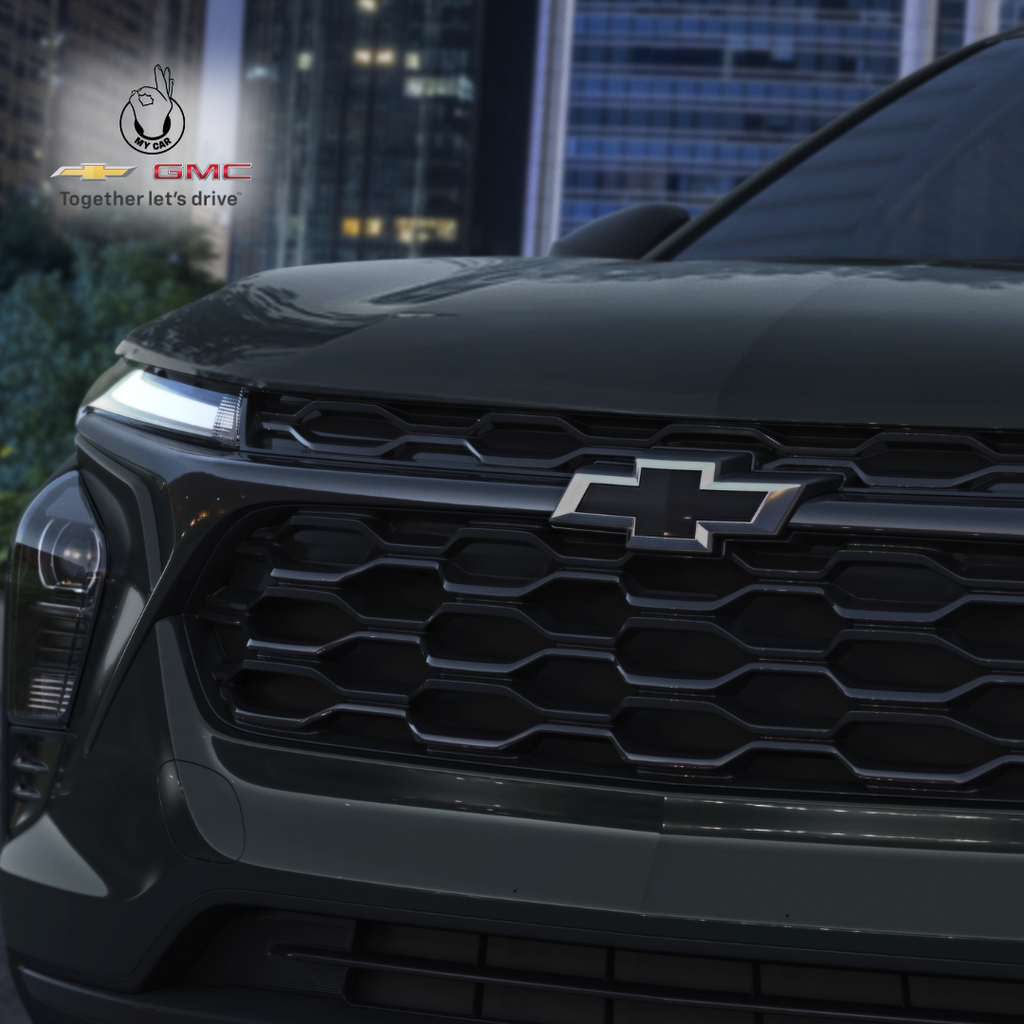
If you’re shopping for a small Chevrolet SUV, the Chevy Trailblazer vs. Trax comparison is one you’re likely to encounter.
Both offer seating for five, turbocharged engines, modern technology and the maneuverability that makes a small SUV attractive for everyday driving. They also sit close enough within Chevrolet’s lineup that it’s reasonable to wonder exactly what separates them.
Look closer, however, and some important differences emerge.
The Chevrolet Trax emphasizes value, passenger and cargo flexibility, and straightforward front-wheel-drive efficiency. The Chevrolet Trailblazer adds available all-wheel drive, an available more powerful turbo engine and features that may appeal to drivers looking for additional capability.
For SUV shoppers around Harrisburg and Central Pennsylvania, here’s how the 2026 Chevy Trax and Trailblazer compare.
Chevy Trailblazer vs. Trax at a Glance
The Trax and Trailblazer are both small Chevrolet SUVs with seating for up to five passengers.
The 2026 Trax uses a 1.2L turbocharged three-cylinder engine producing 137 horsepower and 162 lb.-ft. of torque. It is offered exclusively with front-wheel drive.
The 2026 Trailblazer also offers a 1.2L turbo engine as its standard powertrain, while a 1.3L turbo engine producing 155 horsepower and 174 lb.-ft. of torque is available. Most importantly for many Pennsylvania shoppers, the Trailblazer is available with all-wheel drive.
That gives us one of the easiest ways to begin this comparison:
If you want AWD, start with the Trailblazer.
If AWD isn’t important to you, both deserve a closer look.
What’s the Biggest Difference Between the Chevy Trax and Trailblazer?
All-wheel drive is arguably the most significant mechanical difference.
The 2026 Chevrolet Trax is front-wheel drive only.
The 2026 Chevrolet Trailblazer offers available AWD.
That distinction may be particularly relevant to some Central Pennsylvania drivers who regularly encounter snow, hills, rural roads or other changing driving conditions.
However, AWD shouldn’t automatically determine your decision.
Many drivers don’t need it. Tires, road conditions and driving habits also remain important when traveling in winter weather.
If most of your driving consists of commuting, errands and paved roads, the Trax’s front-wheel-drive layout may suit your needs perfectly well.
The question is whether AWD provides meaningful value for the way you actually use your SUV.
2026 Chevy Trax Engine and Performance
Chevrolet keeps the Trax powertrain straightforward.
Every 2026 Trax uses an ECOTEC 1.2L Turbo three-cylinder engine producing 137 horsepower and 162 lb.-ft. of torque.
The Trax is designed primarily around everyday driving rather than towing or off-road capability.
Chevrolet lists an EPA-estimated 30 MPG combined for the 2026 Trax.
For drivers commuting into Harrisburg, running errands around Central Pennsylvania or simply wanting a small SUV that’s easy to use every day, that straightforward formula has plenty of appeal.
2026 Chevy Trailblazer Engine Options
The Trailblazer gives shoppers more powertrain flexibility.
A 1.2L turbocharged engine producing 137 horsepower and 162 lb.-ft. of torque is standard, while an available 1.3L Turbo engine produces 155 horsepower and 174 lb.-ft. of torque.
The 1.3L engine comes standard on ACTIV and RS models.
The Trailblazer’s available AWD system also gives it an option the Trax simply doesn’t offer.
For shoppers who want the compact dimensions of a small SUV but prefer additional power or available all-wheel drive, this is where the Trailblazer begins to separate itself.
Trax vs. Trailblazer for Pennsylvania Winters
For some Pennsylvania SUV buyers, this may be the deciding factor.
If AWD is a requirement, choose from the Trailblazer lineup because the Trax does not offer it for 2026.
Chevrolet offers AWD across Trailblazer trim levels when appropriately configured, paired with the 1.3L turbo engine.
That doesn’t mean a Trailblazer automatically handles every winter situation better simply because it has AWD.
Proper tires remain extremely important. So do road conditions, visibility, speed and driver behavior.
But if your daily life regularly takes you through snowy roads, hills or rural areas and you specifically want the added traction of AWD, the Trailblazer provides that choice.
Which Has More Cargo Space: Trax or Trailblazer?
This comparison is more interesting than simply assuming the Trailblazer has more room.
The 2026 Trax provides up to 54 cubic feet of maximum cargo space and includes a 60/40 split-folding rear seat.
The Trailblazer is also designed around flexible passenger and cargo use, including a particularly useful feature: a standard fold-flat front passenger seat.
With the front passenger seat folded, Chevrolet says the Trailblazer can accommodate items up to 8.5 feet long.
That could be useful for carrying longer items that might otherwise be difficult to fit inside a small SUV.
So don’t evaluate these SUVs based solely on their exterior appearance.
If cargo matters, bring your real-world needs into the comparison.
Do you regularly carry luggage?
A stroller?
Sports equipment?
Home-improvement supplies?
Longer recreational gear?
The way the cargo area is configured may matter as much as the maximum cubic-foot number.
Trax vs. Trailblazer for Passenger Space
Both SUVs seat up to five people.
That makes either a potential option for individuals, couples and smaller families who don’t need a third row.
If you’re regularly transporting five adults, however, specifications don’t tell the whole story.
Sit inside both vehicles.
Adjust the front seat to your normal driving position and then sit behind it. Compare rear-seat comfort, headroom, entry and exit, and how much space remains once everyone is situated.
Families should also consider how child seats affect usable passenger room.
A few minutes spent comparing the interiors in person can tell you more than simply looking at exterior dimensions online.
Which Is Better for Daily Driving?
Both vehicles are designed to work well as everyday small SUVs.
Their manageable size can be useful for:
- Commuting
- Grocery-store parking lots
- School drop-offs
- Trips into Harrisburg
- Highway driving
- Weekend travel
The Trax is particularly straightforward: front-wheel drive, one engine and a focus on everyday usability.
The Trailblazer provides more configuration choices, particularly for drivers interested in AWD or its available 1.3L engine.
Neither approach is inherently better.
One buyer may prefer the simplicity and value of the Trax.
Another may happily pay for a Trailblazer configuration that gives them AWD and the features they want.
Trax vs. Trailblazer Technology
Both vehicles offer the connectivity features modern SUV shoppers expect.
The 2026 Trailblazer includes an 11-inch diagonal HD color touchscreen as standard equipment, along with wireless Apple CarPlay and wireless Android Auto compatibility.
On the 2026 Trax, an 11-inch diagonal center HD touchscreen is available, with wireless Apple CarPlay and Android Auto compatibility also offered.
Available features vary by trim, so don’t compare the models based solely on their names.
A well-equipped Trax may offer features that matter more to you than a lower-trim Trailblazer — and vice versa.
When comparing vehicles on the lot, compare the actual equipment on each SUV.
Trax vs. Trailblazer Safety Features
Both the Trax and Trailblazer include Chevy Safety Assist, Chevrolet’s suite of six driver-assistance and safety technologies.
Depending on model and configuration, additional available driver-assistance features may also be offered.
As with technology, compare the specific vehicles you’re considering rather than assuming every trim includes identical equipment.
Safety and driver-assistance technologies are designed to support attentive driving, not replace it.
Chevy Trax Trim Levels
The 2026 Trax lineup includes five trims:
Trax LS
The entry point into the lineup, with core features including Chevy Safety Assist, smartphone compatibility and LED headlights.
Trax 1RS
Adds a sportier appearance with RS styling elements and 18-inch wheels.
Trax LT
Adds convenience and technology features, including an 11-inch touchscreen and 8-inch Driver Information Center.
Trax 2RS
Builds on the sport-oriented RS design with 19-inch wheels and additional styling details.
Trax ACTIV
Takes a more rugged visual approach with unique exterior and interior accents.
That gives Trax shoppers several ways to choose between value, equipment and appearance without changing the basic powertrain or drivetrain formula.
Chevy Trailblazer Trim Levels
The 2026 Trailblazer is offered in four primary trims:
Trailblazer LS
The starting point, with an 11-inch touchscreen, 8-inch Driver Information Center and fold-flat front passenger seat among its features.
Trailblazer LT
Adds convenience features including Keyless Open and Start, remote start, roof rails and deep-tinted rear glass.
Trailblazer ACTIV
Adds the 1.3L Turbo engine along with off-road suspension tuning, a functional skid plate and distinctive styling.
Trailblazer RS
Takes a sportier approach with the 1.3L Turbo engine, 19-inch wheels, RS styling and a heated flat-bottom steering wheel.
For shoppers interested in a more adventurous setup, Trailblazer ACTIV is particularly worth comparing with Trax ACTIV because the similar names don’t mean the two trims have identical purposes.
Trax ACTIV vs. Trailblazer ACTIV
This is an important distinction.
The Trax ACTIV primarily gives the Trax a more rugged appearance and unique design elements.
The Trailblazer ACTIV goes further mechanically, adding off-road suspension tuning and a functional skid plate in addition to its 1.3L turbo engine.
If you simply like the ACTIV appearance, compare both.
If the functional capability associated with the Trailblazer ACTIV matters to you, look beyond the badge and compare the actual equipment.
Trax RS vs. Trailblazer RS
Both SUVs also offer sporty RS models.
Trax buyers can choose between 1RS and 2RS configurations, while the Trailblazer offers an RS at the upper end of its lineup.
These trims emphasize sporty design, wheels, interior accents and other model-specific features.
Again, don’t assume an RS badge means identical equipment across different Chevrolet models.
Compare the actual features and pricing of the SUVs available when you’re shopping.
Can the Chevy Trax or Trailblazer Tow?
This is another meaningful distinction.
Chevrolet states that the 2026 Trax is not rated to tow.
The 2026 Trailblazer has a maximum available trailering rating of up to 1,000 pounds when properly equipped.
If towing is a significant part of your plans, however, you may want to look farther up the Chevrolet SUV lineup rather than choosing either vehicle primarily for towing.
Models such as the Equinox, Blazer, Traverse, Tahoe or Suburban may better fit buyers with more substantial capability requirements.
Should You Buy a Chevy Trax or Trailblazer?
The answer becomes much easier once you identify your priorities.
Consider the Chevy Trax if:
You want a small five-passenger SUV focused on value, everyday driving, useful cargo space and straightforward front-wheel-drive operation.
The Trax is particularly compelling if you don’t need AWD and would rather prioritize the vehicle, trim and features that fit your budget.
Consider the Chevy Trailblazer if:
You want a small five-passenger SUV but place greater importance on available AWD, additional powertrain choices or cargo flexibility for longer items.
The Trailblazer also deserves a closer look if the functional upgrades of the ACTIV model appeal to your lifestyle.
What If You Need More Space?
If you like both SUVs but realize you need something larger, don’t force either one to fit your needs.
The Chevrolet lineup continues into larger SUVs such as the Equinox and Traverse.
The Equinox provides a larger five-passenger alternative, while the Traverse moves into three-row territory for families that need additional passenger capacity.
That’s why comparing several Chevrolet SUVs in person can be useful.
You may arrive expecting to buy a Trailblazer and discover a Trax handles everything you need.
Or you may realize your family would be better served by stepping up to an Equinox.
Compare the Chevy Trailblazer and Trax Near Harrisburg, PA
If you’re shopping for a Chevy Trailblazer or Trax near Harrisburg, PA, My Car Chevrolet GMC in Millersburg gives you the opportunity to compare Chevrolet SUVs and determine which combination of size, drivetrain, features and price fits your needs.
We’re located at 640 State Street in Millersburg, Pennsylvania, serving drivers from Harrisburg, Halifax, Elizabethville, Lykens, Camp Hill, Selinsgrove, Sunbury and communities throughout Central Pennsylvania.
Specs can narrow your search.
But sitting inside both SUVs, comparing cargo areas and driving them can make the final decision much easier.
Explore available Chevrolet SUVs, value your current vehicle or contact My Car Chevrolet GMC to schedule a test drive.
Frequently Asked Questions About the Chevy Trax vs. Trailblazer
What is the main difference between a Chevy Trax and Trailblazer?
One of the biggest differences is drivetrain availability. The 2026 Trax is front-wheel drive only, while the 2026 Trailblazer offers available all-wheel drive. The Trailblazer also offers an available 1.3L turbo engine.
Is the Chevy Trax or Trailblazer bigger?
Both are small five-passenger Chevrolet SUVs, but their proportions and cargo configurations differ. Rather than judging solely by exterior size, compare passenger comfort and the cargo layouts of both vehicles in person.
Does the Chevy Trax have AWD?
No. The 2026 Chevrolet Trax is offered with front-wheel drive only.
Does the Chevy Trailblazer have AWD?
Yes. All-wheel drive is available on the 2026 Chevrolet Trailblazer.
Which has more horsepower, Trax or Trailblazer?
The 2026 Trax’s 1.2L Turbo produces 137 horsepower. The Trailblazer offers the same horsepower with its standard 1.2L Turbo, while its available 1.3L Turbo produces 155 horsepower.
How many people can the Trax and Trailblazer seat?
Both the Chevrolet Trax and Trailblazer seat up to five passengers.
Can a Chevy Trax tow?
Chevrolet states that the 2026 Trax is not rated for towing.
Can a Chevy Trailblazer tow?
The 2026 Trailblazer is rated for up to 1,000 pounds of trailering when properly equipped.
Is the Trax or Trailblazer better for Pennsylvania winters?
Drivers specifically looking for available all-wheel drive should consider the Trailblazer because AWD isn’t offered on the 2026 Trax. Regardless of drivetrain, appropriate tires, road conditions and safe driving remain important during Pennsylvania winters.
Where can I compare a Chevy Trax and Trailblazer near Harrisburg?
My Car Chevrolet GMC is located at 640 State Street in Millersburg, PA, serving Chevrolet SUV shoppers from Harrisburg and throughout Central Pennsylvania.
What Happens If You Owe More Than Your Car Is Worth?
If you owe more on your auto loan than your vehicle is currently worth, you’re not alone — and it doesn’t necessarily mean you’re stuck with your current vehicle until the loan is completely paid off.
This situation is commonly known as being upside down on a car loan or having negative equity.
Negative equity can become especially important when you want to trade in your vehicle. Before shopping for your next car, truck or SUV, it helps to understand exactly how negative equity works, what happens to the remaining balance when you trade, and what options you may have.
For drivers around Harrisburg and Central Pennsylvania, here’s what to know before trading in a vehicle you still owe more on than it’s worth.
What Is Negative Equity on a Car?
Negative equity occurs when the amount you owe on your auto loan is greater than your vehicle’s current value.
For example, imagine:
Remaining auto loan payoff: $25,000
Current trade-in value: $20,000
The difference is $5,000.
That means you have $5,000 in negative equity.
The opposite can also happen. If your vehicle were worth $20,000 but you owed only $15,000, you would have $5,000 in positive equity.
Understanding these two numbers — your vehicle’s value and your current loan payoff — is the starting point when considering a trade.
Why Do People Become Upside Down on Car Loans?
Negative equity can happen for several reasons, and having an upside-down loan doesn’t automatically mean someone made a poor financial decision.
Vehicles generally depreciate over time, but loan balances and vehicle values don’t always decline at the same rate.
Common factors that can contribute to negative equity include:
- A small or zero down payment
- Longer loan terms
- Rapid vehicle depreciation
- High mileage
- Vehicle condition
- Previous negative equity rolled into the current loan
- Financing taxes, fees or additional products
- Changing used-vehicle market values
- Trading relatively early in the loan
For example, during the early portion of a longer-term auto loan, you may still owe a substantial amount while the vehicle has already experienced depreciation.
That’s why knowing your actual numbers matters more than simply knowing your monthly payment.
How Do I Know If I’m Upside Down on My Car?
You’ll need two pieces of information:
1. Your Current Loan Payoff
Your loan payoff is the amount required to satisfy the loan.
Don’t assume this is identical to the principal balance displayed on your latest statement. Your lender can provide an official payoff amount, which may account for accrued interest or other applicable amounts through a specified date.
2. Your Vehicle’s Current Value
Next, determine what your vehicle may realistically be worth as a trade.
Vehicle value can be affected by:
- Year
- Make and model
- Mileage
- Trim level
- Equipment
- Mechanical condition
- Exterior and interior condition
- Accident or vehicle history
- Current market demand
Once you have both figures, the basic calculation is simple:
Vehicle Value – Loan Payoff = Equity
If the result is negative, you have negative equity.
Can You Trade In a Car With Negative Equity?
Yes. It may be possible to trade in a vehicle even when you owe more than it’s worth.
The negative equity doesn’t simply disappear, however.
The difference between your loan payoff and the vehicle’s trade value still needs to be accounted for as part of the transaction.
Depending on your situation, there are several ways that may happen.
Option 1: Pay the Difference
One of the most straightforward approaches is paying the negative-equity difference yourself.
Using our previous example:
Loan payoff: $25,000
Trade value: $20,000
Negative equity: $5,000
If you were able to contribute $5,000 toward the transaction, that could cover the difference between the trade value and payoff.
Of course, not everyone has thousands of dollars available to do this.
That’s where other options may come into consideration.
Option 2: Roll Negative Equity Into Your Next Auto Loan
In some transactions, negative equity may be incorporated into financing for the replacement vehicle, subject to lender approval and other factors.
Suppose again that you’re $5,000 upside down.
Rather than paying the entire $5,000 separately, some or all of that amount may potentially become part of the financing on the next vehicle.
This can make trading possible, but there is an important consequence:
You’re financing more than just the replacement vehicle itself.
That can increase the amount financed and potentially your monthly payment and total borrowing cost.
It may also put you into another negative-equity position on the next vehicle, particularly early in the loan.
For that reason, rolling negative equity forward should be evaluated carefully rather than treated as though the old balance disappeared.
Option 3: Keep Your Current Vehicle Longer
Sometimes the best option is simply waiting.
Continuing to make payments can reduce your loan balance. If your balance falls faster than your vehicle loses value, the negative-equity gap may shrink over time.
Making additional principal payments, when permitted by your lender and appropriate for your financial situation, may also reduce the balance faster.
Waiting can be particularly worth considering when your current vehicle is reliable and you don’t urgently need to replace it.
Before trading, compare the cost of changing vehicles today against the potential benefit of improving your equity position first.
Option 4: Consider a Less Expensive Replacement Vehicle
If you need to replace your current vehicle while carrying negative equity, the vehicle you choose next matters.
Moving directly into an expensive replacement vehicle isn’t your only option.
Depending on lender requirements and your overall financial situation, choosing a vehicle at a different price point may help keep the transaction more manageable.
However, lenders consider numerous factors when determining how much they’re willing to finance relative to a vehicle’s value.
That’s why it’s useful to evaluate the entire transaction, rather than choosing a vehicle solely from a target monthly payment.
How Much Negative Equity Can You Roll Into a New Car?
There isn’t one universal dollar amount.
Whether negative equity can be included in a new loan — and how much — depends on factors including:
- The amount of negative equity
- Price and value of the replacement vehicle
- Down payment
- Trade value
- Credit profile
- Income and debt obligations
- Loan structure
- Lender guidelines
This is one reason two buyers with similar trade situations may receive very different financing options.
A lender ultimately determines whether a proposed loan meets its underwriting requirements.
Does a Down Payment Help With Negative Equity?
It can.
A down payment reduces the amount that needs to be financed.
If you have negative equity, cash contributed toward the transaction can potentially help offset some or all of that difference.
For example, someone with $4,000 of negative equity who contributes $2,000 has a different financing situation than someone attempting to finance the entire $4,000 difference.
But don’t focus exclusively on getting the monthly payment to a certain number.
Look at:
- Vehicle selling price
- Trade-in allowance
- Existing loan payoff
- Negative or positive equity
- Cash down
- Interest rate
- Loan term
- Amount financed
- Monthly payment
- Total cost of borrowing
Those numbers together provide a much clearer picture.
Can Rebates Help Offset Negative Equity?
Manufacturer incentives can sometimes affect the economics of a vehicle purchase, but it’s important to understand exactly how a particular offer works.
Available incentives can vary by model, location, purchase method and eligibility, and some offers may not be combined with certain financing programs.
Rather than assuming a rebate will simply “erase” negative equity, ask to see how the incentive is being applied within the complete transaction.
Offers also change frequently, so evaluate the programs available when you’re actually ready to purchase.
Is Trading an Upside-Down Car Always a Bad Idea?
Not necessarily.
There are legitimate reasons someone may need or want to replace a vehicle before reaching positive equity.
For example, your current vehicle may no longer fit your household, commuting, towing or work requirements. Reliability or repair costs may also become considerations.
What matters is understanding the financial consequences.
If you’re carrying substantial negative equity and your current vehicle still works well for your needs, waiting may improve your financial position.
If you need to change vehicles, understanding exactly how the negative equity is being handled allows you to make a more informed decision.
Be Careful With Monthly-Payment-Only Shopping
This deserves special attention when negative equity is involved.
A dealership may be able to structure financing in different ways, but a comfortable monthly payment doesn’t necessarily mean the overall transaction is inexpensive.
A longer loan term can sometimes lower the monthly payment while increasing the amount of time you’re paying on the loan and potentially the total interest paid.
If negative equity from your previous vehicle is also included, understanding the total amount financed becomes even more important.
Ask to see the numbers.
A good vehicle-buying decision should make sense beyond the monthly payment alone.
What If I Have a Lot of Negative Equity?
Start by getting accurate numbers before assuming the situation is impossible.
You may discover the gap is smaller — or larger — than you expected.
Determine:
What is my exact payoff?
What is my vehicle actually worth?
How much negative equity do I have?
How much cash, if any, am I comfortable contributing?
What replacement vehicle fits my budget?
What would the new amount financed be?
From there, you can evaluate your actual options.
If the numbers don’t make sense today, waiting is still an option.
Trading In a Vehicle Near Harrisburg, PA
If you’re considering trading in a vehicle around Harrisburg or Central Pennsylvania, My Car Chevrolet GMC can evaluate your current vehicle and help you understand how its value compares with your existing loan payoff.
We’re located at 640 State Street in Millersburg, PA, serving drivers from Harrisburg, Halifax, Elizabethville, Lykens, Camp Hill, Selinsgrove, Sunbury and surrounding Central Pennsylvania communities.
Whether you have positive equity, negative equity or aren’t sure where you stand, the first step is simply determining the numbers.
Knowing your trade value doesn’t obligate you to buy another vehicle.
It gives you information.
From there, you can compare your options and decide whether trading now or keeping your current vehicle longer makes more sense for your situation.
Understand Your Trade Before Choosing Your Next Vehicle
Owing more than your vehicle is worth doesn’t automatically prevent you from trading it.
It does mean you should understand exactly what happens to the remaining balance.
Negative equity may potentially be paid separately, addressed with a down payment, incorporated into new financing when approved, or reduced by keeping the current vehicle longer and paying down the existing loan.
There isn’t one solution that’s right for everyone.
Before choosing your next Chevrolet, GMC or used vehicle, determine your current payoff, get a realistic trade valuation and review the complete financing structure.
At My Car Chevrolet GMC in Millersburg, our team can help you evaluate your trade and explore available vehicle and financing options.
Frequently Asked Questions About Negative Equity
What does it mean to be upside down on a car loan?
Being upside down means you owe more on your auto loan than the vehicle is currently worth. The difference between your loan payoff and vehicle value is called negative equity.
Can I trade in my car if I still owe money on it?
Yes. Vehicles with existing loans are routinely traded. The dealership determines the trade value and obtains the loan payoff so the equity position can be calculated.
Can I trade in a car if I owe more than it’s worth?
Potentially, yes. The negative-equity difference still needs to be addressed as part of the transaction. Depending on the circumstances and lender approval, it may be paid separately or potentially incorporated into financing for the replacement vehicle.
Does negative equity disappear when I trade my car?
No. Trading the vehicle doesn’t erase the difference between its value and your outstanding payoff. That balance must still be accounted for in the transaction.
How do I calculate negative equity?
Subtract your current loan payoff from your vehicle’s current value. For example, if your vehicle is worth $18,000 and your payoff is $22,000, you have $4,000 in negative equity.
Will a dealership pay off my old loan?
As part of an appropriately structured trade-in transaction, the existing lien is typically paid off. However, if the payoff exceeds the trade value, the difference still needs to be addressed within the transaction.
Can a down payment help if I’m upside down?
Yes. Cash down can reduce the amount that needs to be financed and may help offset negative equity.
Should I trade an upside-down vehicle or wait?
That depends on your financial situation, vehicle needs and the size of the negative-equity gap. If your current vehicle remains suitable and reliable, waiting and reducing the existing loan balance may improve your equity position. If you need another vehicle now, review the complete transaction carefully before deciding.
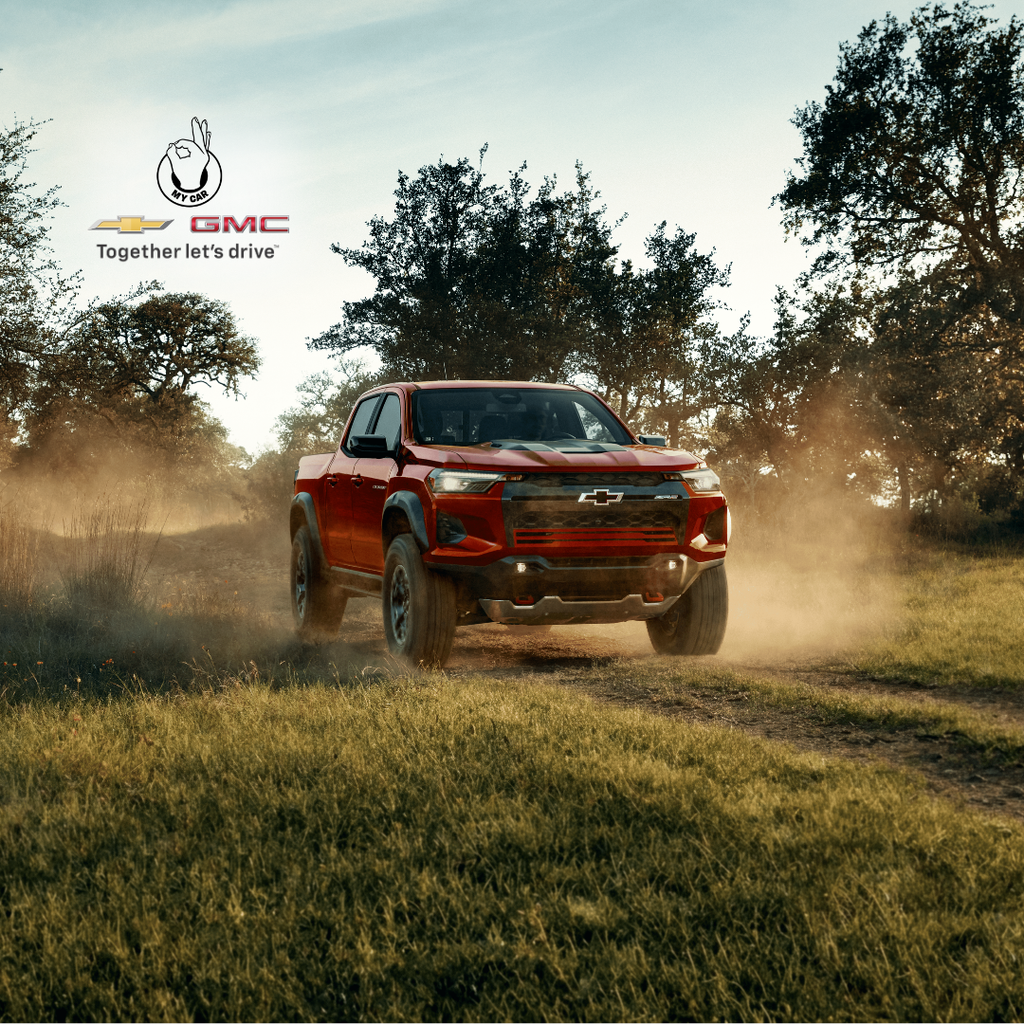
If you’re shopping for a new Chevrolet truck, there’s a good chance you’ve considered both the Chevy Colorado and Chevy Silverado 1500.
At first, the decision might seem simple. The Colorado is Chevrolet’s midsize pickup, while the Silverado 1500 is a full-size truck. But deciding which one fits your needs involves much more than choosing between a smaller and larger pickup.
For drivers around Harrisburg and Central Pennsylvania, either truck can make sense. The Colorado offers impressive capability in a more manageable package, while the Silverado 1500 provides greater towing, payload and configuration options for buyers who need more from their truck.
So, Chevy Colorado vs. Silverado 1500: which should you buy?
Let’s break down the differences.
Chevy Colorado vs. Silverado 1500 at a Glance
The biggest distinction is their respective truck classes.
The Chevrolet Colorado is a midsize pickup, making it easier to maneuver and well suited for buyers who want truck capability without necessarily needing the dimensions or maximum capability of a full-size pickup.
The Chevrolet Silverado 1500 is a full-size light-duty pickup. Its larger platform provides greater available towing and payload capability along with more engine, cab and bed configurations.
For 2026, Chevrolet lists maximum available towing of 7,700 pounds for the Colorado and 13,300 pounds for the Silverado 1500 when properly equipped. Maximum available payload is listed at 1,710 pounds for Colorado and 2,260 pounds for Silverado 1500. Chevrolet
That doesn’t automatically make the Silverado the better truck. It means the Silverado can handle jobs beyond the Colorado’s capabilities.
If you don’t need that additional capability, the Colorado’s smaller footprint may actually be an advantage.
Chevy Colorado: Midsize Capability
The Colorado has evolved into a seriously capable midsize truck.
The 2026 Colorado uses Chevrolet’s 2.7L TurboMax engine, producing 310 horsepower and 430 lb.-ft. of torque. Chevrolet offers the Colorado in several configurations ranging from work-focused models to the off-road-oriented ZR2. Chevrolet
That makes the Colorado particularly appealing for someone who wants a pickup for everyday use but still needs genuine truck capability.
Who Should Consider a Chevy Colorado?
The Colorado may make the most sense if you:
- Use your truck as a daily driver
- Regularly navigate parking lots or tighter spaces
- Want pickup capability without full-size dimensions
- Tow recreational trailers within the Colorado’s limits
- Haul home-improvement supplies, outdoor equipment or recreational gear
- Want serious off-road capability
- Don’t need the Silverado’s maximum towing or payload capacity
For many truck owners, that’s plenty.
You don’t necessarily need a full-size pickup simply because you want a capable truck.
Chevy Silverado 1500: More Capability and More Choices
The Silverado 1500 takes things considerably further.
For 2026, Chevrolet offers four Silverado 1500 engine choices: TurboMax, 5.3L EcoTec3 V8, 6.2L EcoTec3 V8 and the available 3.0L Duramax Turbo-Diesel. Depending on engine and configuration, Silverado output reaches as high as 495 lb.-ft. of torque. Chevrolet
That engine variety is one of the Silverado’s major advantages.
Instead of one core powertrain serving nearly every buyer, Silverado shoppers can select a configuration based on how they intend to use their truck.
Who Should Consider a Silverado 1500?
The Silverado deserves a closer look if you:
- Regularly tow heavier trailers
- Need greater payload capacity
- Want a V8 engine
- Want an available diesel engine
- Need additional cab or bed configurations
- Frequently haul tools or equipment
- Use your pickup for demanding work
- Simply prefer the space and feel of a full-size truck
The Silverado is also available in trims ranging from the work-oriented WT to off-road Trail Boss and ZR2 models and more premium LTZ and High Country configurations.
Colorado vs. Silverado Towing Capacity
For many buyers, towing capacity is where the decision becomes much easier.
A properly equipped 2026 Colorado can tow up to 7,700 pounds. Chevrolet’s trailering chart shows that rating for appropriately equipped TurboMax Colorado configurations, while the off-road-focused ZR2 has a lower maximum trailer rating of 6,000 pounds. Chevrolet
That’s enough capability for many recreational towing situations.
However, buyers towing heavier campers, equipment trailers or other substantial loads may need to move into Silverado territory.
A properly equipped 2026 Silverado 1500 can tow up to 13,300 pounds, although the exact rating varies substantially based on engine, drivetrain, cab, bed, axle and equipment. Chevrolet
Don’t Buy Based on the Maximum Number Alone
This is important.
Seeing “7,700 pounds” or “13,300 pounds” online does not mean every Colorado or Silverado on a dealership lot can tow that amount.
Maximum trailering figures require specific configurations and equipment. Passengers, cargo and accessories can also affect available capacity. Chevrolet specifically advises buyers to review the trailering information for the individual vehicle before towing. Chevrolet
If towing is a major reason you’re buying a truck, tell the dealership exactly what you intend to tow.
That lets you shop for the correct truck rather than simply the correct model name.
Colorado vs. Silverado for Everyday Driving
Maximum capability isn’t everything.
Think about the other 300-plus days of the year when there isn’t a trailer attached to the hitch.
The Colorado’s midsize dimensions can make it appealing for everyday driving. If your routine involves commuting, grocery-store parking lots, restaurants, school pickup lines or trips into Harrisburg, a midsize truck may simply be easier to live with.
The Silverado’s larger dimensions come with their own advantages, particularly when passenger room, hauling and full-size truck capability matter.
The question becomes:
How often will you actually use the extra capability?
If you’ll regularly use it, buying the Silverado makes sense.
If you’ll rarely approach the Colorado’s limits, a midsize truck could give you everything you need in a more manageable package.
Colorado vs. Silverado for Towing a Camper
Central Pennsylvania offers plenty of opportunities to put a truck to work outside of work.
If camping is part of the plan, start with the loaded weight and specifications of your actual camper, not simply the manufacturer’s advertised dry weight.
Smaller campers may fall comfortably within an appropriately equipped Colorado’s capabilities.
As trailer size and loaded weight increase, the Silverado 1500’s additional towing capacity becomes increasingly relevant.
Don’t forget to account for passengers, cargo and equipment when evaluating a tow vehicle.
When in doubt, give yourself an appropriate capability margin rather than shopping right at a truck’s limit.
Colorado vs. Silverado for Work
Either Chevrolet can function as a work truck.
The better choice depends on the work.
A Colorado can be an excellent option for someone who needs a bed for tools, materials or equipment but doesn’t regularly haul extremely heavy loads. Its smaller footprint can also be useful for contractors and other professionals working in tighter spaces.
The Silverado becomes more compelling as hauling and towing requirements increase.
Its greater available payload and trailering capabilities, broader powertrain selection and additional configurations make it better suited to jobs that demand more from the vehicle.
The key is buying for your workload, not simply buying the biggest truck available.
Which Chevy Truck Is Better Off-Road?
This comparison gets interesting because both trucks offer dedicated off-road models.
The Colorado lineup includes the Trail Boss, Z71 and ZR2, depending on the type of off-road capability and equipment you’re looking for.
At the more extreme end, the 2026 Colorado ZR2 uses the TurboMax engine and includes 33-inch mud-terrain tires, a 3-inch factory-installed lift and Multimatic DSSV dampers. Chevrolet
Silverado shoppers can also consider the Custom Trail Boss, LT Trail Boss and ZR2.
Which one makes more sense depends on your terrain and priorities.
A Colorado’s smaller dimensions can be useful on tighter trails, while the Silverado provides the size and broader capability of a full-size truck.
What About Pennsylvania Winters?
Four-wheel drive is understandably important to many truck shoppers around Harrisburg and Central Pennsylvania.
Both Colorado and Silverado offer 4WD configurations, making either worth considering for drivers who regularly encounter snow, rural roads, hills or changing weather.
But don’t treat four-wheel drive as a substitute for everything else.
Tire condition and type, road conditions, appropriate speed and driver behavior remain critical in winter weather.
Choose your truck based on your overall needs rather than assuming that simply buying the larger vehicle makes it better for Pennsylvania winters.
Colorado vs. Silverado: Don’t Forget the Garage
Here’s one comparison buyers sometimes overlook:
Where are you going to park it?
If you have a garage, driveway with limited room or regularly use parking garages, the physical dimensions of your next truck deserve consideration.
This is an area where seeing both trucks in person is extremely valuable.
Sit in them. Drive them. Park them.
A specification sheet can’t tell you whether you’ll enjoy maneuvering a full-size pickup into your garage every evening.
For some buyers, the Silverado feels completely natural.
For others, this is the moment the Colorado makes perfect sense.
Should You Buy a Colorado or Silverado 1500?
The simplest way to approach the decision is to start with what the truck actually needs to accomplish.
Consider the Colorado if you want midsize dimensions, strong everyday usability, up to 7,700 pounds of available towing and plenty of capability for recreational or lighter work needs.
Consider the Silverado 1500 if you need greater towing and payload capacity, more engine choices, additional configurations or simply want the space and capability of a full-size pickup.
Neither answer is automatically correct.
In fact, that’s one of the advantages of shopping both trucks from Chevrolet: you can choose the amount of truck that actually fits your lifestyle.
Compare the Chevy Colorado and Silverado Near Harrisburg, PA
If you’re shopping for a Chevy Colorado or Silverado near Harrisburg, Pennsylvania, seeing both trucks in person can answer questions that specifications alone can’t.
My Car Chevrolet GMC is located at 640 State Street in Millersburg, PA, serving truck shoppers from Harrisburg, Halifax, Elizabethville, Lykens, Camp Hill, Selinsgrove, Sunbury and throughout Central Pennsylvania.
Compare the Colorado and Silverado side by side. Look at the cab and bed space. Test drive both. Talk through what you plan to tow or haul.
You may discover you don’t need as much truck as you thought.
Or you may realize the Silverado’s additional capability is exactly why you were shopping for a truck in the first place.
At My Car Chevrolet GMC, trucks are cheaper in the valley.
Make the climb to Millersburg and find the Chevrolet truck that fits the way you actually drive.
Frequently Asked Questions: Chevy Colorado vs. Silverado
Is the Chevy Colorado or Silverado bigger?
The Silverado 1500 is a full-size pickup, while the Colorado is a midsize pickup. The Silverado generally provides more available towing, payload and configuration options, while the Colorado’s smaller footprint can make it easier to maneuver.
How much can a 2026 Chevy Colorado tow?
A properly equipped 2026 Chevrolet Colorado can tow up to 7,700 pounds. The actual rating depends on the vehicle’s configuration and equipment. Chevrolet
How much can a 2026 Silverado 1500 tow?
A properly equipped 2026 Chevrolet Silverado 1500 can tow up to 13,300 pounds. Individual truck ratings vary by engine, cab, bed, drivetrain and equipment. Chevrolet
Does the Chevy Colorado have a V8?
No. The 2026 Colorado uses Chevrolet’s 2.7L TurboMax engine, rated at 310 horsepower and 430 lb.-ft. of torque. Chevrolet
Can you get a V8 in a Silverado 1500?
Yes. The 2026 Silverado 1500 offers available 5.3L and 6.2L EcoTec3 V8 engines. Chevrolet also offers TurboMax and 3.0L Duramax Turbo-Diesel powertrains. Chevrolet
Is a Colorado enough truck for towing?
It depends on what you’re towing. With up to 7,700 pounds of available towing when properly equipped, the Colorado can accommodate many recreational towing needs. Heavier trailers may require the additional capability of a Silverado 1500 or an HD truck.
Where can I compare a Chevy Colorado and Silverado near Harrisburg?
My Car Chevrolet GMC is located at 640 State Street in Millersburg, PA, where Central Pennsylvania shoppers can compare available Chevrolet trucks.
Best Chevy SUVs for Pennsylvania Families
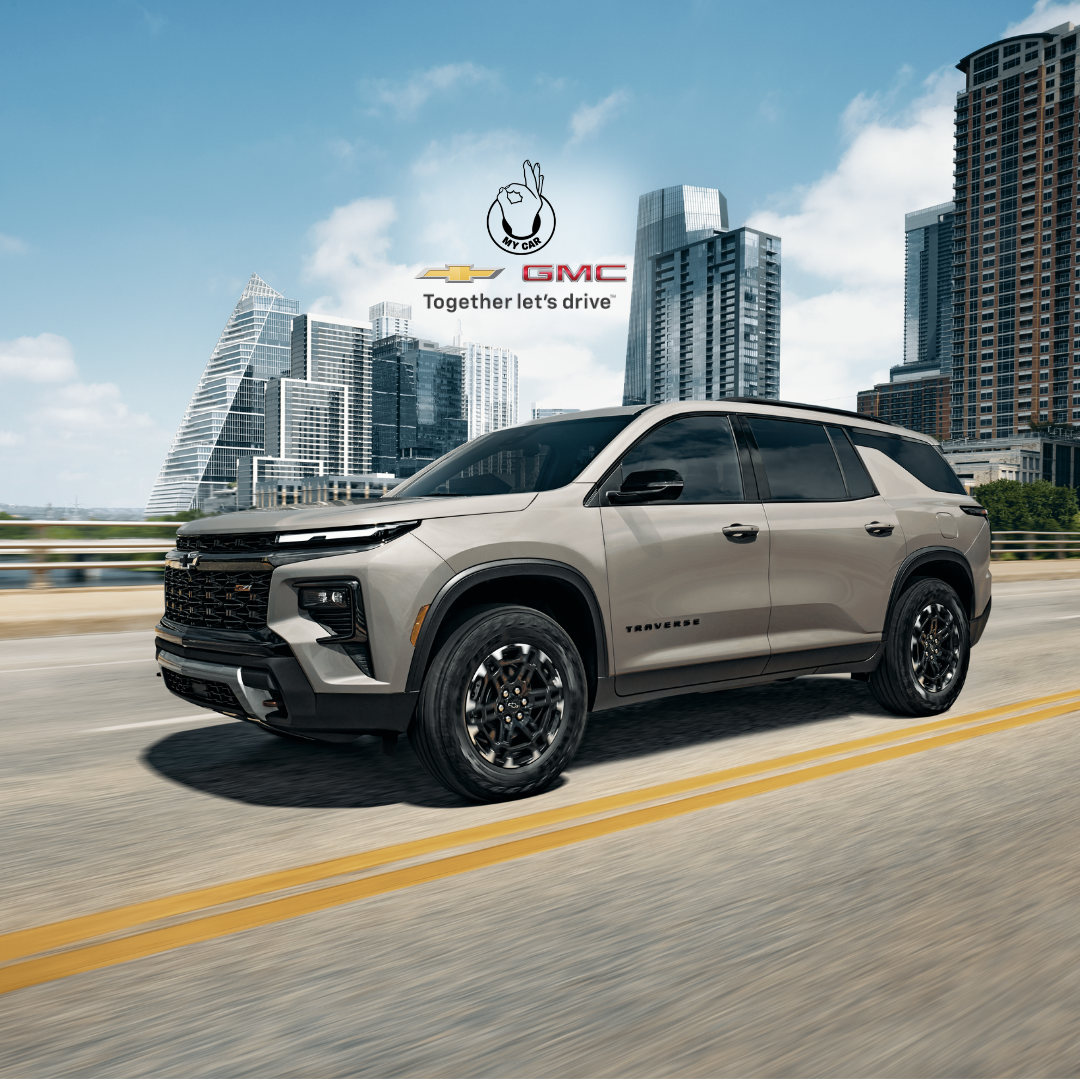
Finding the best Chevy SUV for your family in Pennsylvania isn’t simply a matter of choosing the biggest vehicle on the lot. The right SUV depends on how many passengers you regularly carry, how much cargo space you need, where you drive, your budget and what your family’s everyday life actually looks like.
A family commuting around Harrisburg may have very different needs from one regularly traveling across Central Pennsylvania. Some buyers need three rows for kids and passengers. Others would rather have a smaller SUV that’s easy to park, efficient for daily driving and still has enough room for groceries, sports equipment and weekend trips.
Chevrolet offers SUVs across several sizes, giving Pennsylvania families plenty to consider.
From the compact Chevrolet Trax and Trailblazer to the versatile Equinox and three-row Traverse, here’s how some of Chevy’s most popular SUVs compare — and how to decide which one makes sense for your family.
What Makes a Good Family SUV in Pennsylvania?
Before comparing models, think about how you’ll actually use your next vehicle.
Pennsylvania driving can mean a little bit of everything: weekday commuting, school drop-offs, trips into Harrisburg, rural roads, changing seasons, weekend sports and longer road trips.
For many families, the most important considerations include:
- Passenger capacity
- Cargo space
- Available all-wheel drive
- Fuel economy
- Safety and driver-assistance technology
- Child-seat and passenger needs
- Interior technology
- Parking and maneuverability
- Purchase price and monthly budget
- Long-distance comfort
There’s no single SUV that’s best for every Pennsylvania family. Instead, Chevrolet’s lineup allows you to choose how much vehicle you actually need.
Chevrolet Trax: A Smart Choice for Smaller Families
For buyers who don’t need three rows, the Chevrolet Trax is an excellent place to begin.
The 2026 Trax seats five and offers up to 54 cubic feet of maximum cargo space with the rear seats folded. Its 60/40 split-folding rear seat also makes it easier to balance passenger and cargo needs.
Its relatively compact dimensions can be especially useful for families whose driving includes crowded parking lots, city streets or daily commuting.
Who Is the Chevy Trax Best For?
The Trax deserves consideration from:
- Smaller families
- First-time SUV buyers
- Commuters
- Couples planning for additional cargo needs
- Parents who don’t need a third row
- Buyers prioritizing value and everyday practicality
There’s an important distinction Pennsylvania shoppers should know, however: the 2026 Trax is front-wheel drive rather than all-wheel drive.
If AWD is high on your family’s shopping list, you’ll want to consider another Chevrolet SUV, such as the Trailblazer or Equinox.
For families who don’t require AWD or three rows, though, the Trax offers an appealing combination of passenger space, cargo flexibility and manageable size.
Chevrolet Trailblazer: Compact Size With Available AWD
The Chevrolet Trailblazer occupies an interesting position in the Chevy SUV lineup.
Like the Trax, it’s a compact SUV with seating for five, but the Trailblazer is available with all-wheel drive.
That can make it particularly interesting for Pennsylvania drivers who want a smaller SUV while still having the option of AWD.
The Trailblazer offers up to approximately 54.4 cubic feet of maximum cargo volume, giving families useful flexibility for groceries, luggage, sports gear and everyday hauling.
Who Is the Chevy Trailblazer Best For?
Consider the Trailblazer if you want:
- A smaller SUV
- Seating for five
- Available AWD
- Flexible cargo space
- Easy everyday maneuverability
- A vehicle suited to commuting and weekend travel
For a family deciding between Trax and Trailblazer, one of the biggest questions is whether available AWD matters enough to move up to the Trailblazer.
Chevrolet Equinox: The Family-SUV Sweet Spot
For many Pennsylvania households, the Chevrolet Equinox may offer the sweet spot between compact-SUV maneuverability and family-friendly interior space.
The 2026 Equinox seats five and provides up to 63.5 cubic feet of maximum cargo volume.
That’s noticeably more maximum cargo room than Chevy’s smaller Trax and Trailblazer.
The Equinox also offers available all-wheel drive, which may appeal to Central Pennsylvania drivers who regularly encounter winter weather, rural roads or changing driving conditions.
Why Families May Prefer the Equinox
The Equinox makes sense for shoppers who don’t necessarily need a third row but want additional room for passengers and cargo.
Think about the things that tend to accumulate once kids enter the picture:
Strollers. Sports bags. Groceries. Backpacks. Luggage. Coolers. Folding chairs.
That additional cargo flexibility can make a meaningful difference in everyday ownership.
The 2026 Equinox also comes with more than 15 standard safety and driver-assistance features, according to Chevrolet, and offers an 11.3-inch diagonal infotainment touchscreen.
For many families, that combination of space, technology, available AWD and five-passenger seating makes the Equinox an especially balanced choice.
Chevrolet Traverse: The Best Fit for Larger Families
If passenger capacity is one of your biggest priorities, move the Chevrolet Traverse toward the top of your shopping list.
The 2026 Traverse offers available seating for up to eight passengers and up to 98 cubic feet of maximum cargo volume.
That changes the equation significantly.
Instead of choosing between carrying additional passengers or buying something much larger, families get three-row seating in a midsize Chevrolet SUV.
Who Needs a Three-Row SUV?
The Traverse is worth considering if you:
- Regularly carry more than five people
- Have multiple children
- Participate in carpools
- Frequently travel with extended family
- Need substantial cargo capacity
- Take longer family road trips
- Regularly transport sports or recreational equipment
Even families that don’t use the third row every day can benefit from having it available.
The extra seating can be useful when grandparents visit, another child needs a ride home from practice or friends join the family for an outing.
And when maximum passenger capacity isn’t necessary, folding seating allows the Traverse to prioritize cargo instead.
Trax vs. Trailblazer vs. Equinox vs. Traverse
Here’s a simple way to narrow the Chevrolet SUV lineup:
Choose the Chevy Trax if…
You want an affordable, maneuverable five-passenger SUV and don’t need all-wheel drive or a third row.
Choose the Chevy Trailblazer if…
You like the idea of a compact five-passenger SUV but want the option of all-wheel drive.
Choose the Chevy Equinox if…
You want more cargo capacity and family space without moving into a three-row SUV, plus available AWD.
Choose the Chevy Traverse if…
You need three rows, regularly transport more passengers or want significantly more maximum cargo capacity.
The important thing is not to automatically assume bigger is better.
Buying more SUV than you need can mean paying for size and capability you rarely use. On the other hand, buying too small can become frustrating when your family, hobbies or cargo needs grow.
Should Pennsylvania Families Choose AWD?
This question comes up frequently when shopping for an SUV in Pennsylvania.
All-wheel drive can provide additional traction under certain conditions, but that doesn’t mean every Pennsylvania family automatically needs it.
Consider:
- Where you live
- Your daily commute
- Whether you regularly travel rural or hilly roads
- How frequently you drive in winter weather
- Your family’s recreational activities
- Whether you can avoid driving during severe conditions
It’s also important to remember that AWD doesn’t replace proper tires or careful driving. Tires, road conditions and driver behavior remain extremely important during Pennsylvania winters.
If AWD is a priority, compare available AWD configurations of the Trailblazer, Equinox and larger Chevrolet SUVs when shopping.
What About the Chevy Tahoe and Suburban?
Families requiring even more passenger, cargo or towing capability can move beyond Chevrolet’s crossover lineup into the Chevrolet Tahoe and Suburban.
These full-size SUVs serve a different buyer.
A family that regularly tows, needs significant passenger room or simply wants the capability and space of a full-size SUV may find a Tahoe or Suburban better suited to their lifestyle.
For many everyday family buyers, however, starting with the Trax, Trailblazer, Equinox and Traverse makes comparison easier.
From there, you can determine whether moving into a full-size Chevrolet SUV is actually necessary.
Think About Your Family Five Years From Now
One mistake shoppers can make is buying exclusively for what they need today.
Vehicles tend to stay in households for years.
If you’re planning to grow your family, regularly adding new activities or expecting your driving habits to change, consider whether the SUV you’re evaluating today will still work several years from now.
A couple may be perfectly comfortable in a compact SUV today.
Add a child seat, stroller, diaper bag, groceries and luggage, and cargo needs can change quickly.
Likewise, a family with young children may eventually find itself carrying sports equipment, friends and significantly more gear.
You don’t necessarily need to buy the biggest SUV available.
But it’s worth thinking ahead.
New vs. Used Chevy SUVs for Pennsylvania Families
Another decision is whether to shop new or used.
A new Chevrolet SUV may appeal to families interested in current technology, warranty coverage, the newest model features and available manufacturer programs.
A used Chevrolet SUV can open additional possibilities at different price points.
Instead of deciding beforehand that one is automatically better, compare both.
Consider:
- Purchase price
- Mileage
- Vehicle condition
- Warranty coverage
- Features and equipment
- Financing options
- Expected ownership period
- Available new-vehicle incentives
Depending on the market and available programs, the difference between new and used may be larger or smaller than you expect.
Don’t Forget About Your Trade-In
Your current vehicle can play a significant role in your next SUV purchase.
Before choosing your next Chevrolet, understand approximately what your existing vehicle is worth and, if you’re financing it, how much remains on the loan.
Your trade position can affect:
- Down payment
- Amount financed
- Monthly payment
- Overall transaction
You may also be able to trade a vehicle that you still owe money on. The dealership can compare the current payoff amount with the vehicle’s trade value to determine your equity position.
Knowing those numbers before choosing your next SUV gives you a clearer picture of your buying options.
Shopping for a Chevy SUV Near Harrisburg, PA?
Harrisburg-area families have plenty of options when shopping for a vehicle, but you don’t necessarily have to limit your search to dealerships within the city.
Expanding your search into Central Pennsylvania can give you additional Chevrolet inventory, configurations and pricing to compare.
My Car Chevrolet GMC is located at 640 State Street in Millersburg, Pennsylvania, north of Harrisburg in the Susquehanna Valley.
We serve SUV shoppers from Harrisburg, Halifax, Elizabethville, Lykens, Camp Hill, Selinsgrove, Sunbury and communities throughout Central Pennsylvania.
Whether you’re considering the value-focused Trax, AWD-capable Trailblazer, versatile Equinox or three-row Traverse, comparing multiple models in person can make the decision much easier.
Find the Right Chevrolet SUV for Your Family
So, which Chevy SUV is best for your family?
For smaller households and value-conscious shoppers, start with the Trax.
If you want compact dimensions with available AWD, compare the Trailblazer.
If five seats are enough but additional cargo room and available AWD matter, put the Equinox high on your list.
And if your family needs three rows or substantially more cargo capacity, the Traverse is the natural next step.
The best answer isn’t the same for everyone.
It’s the Chevrolet SUV that fits your passengers, budget, driving habits and plans for the years ahead.
At My Car Chevrolet GMC in Millersburg, PA, you can compare Chevrolet SUVs and determine which combination of size, features and capability makes the most sense for your family.
Explore our available Chevrolet SUV inventory, value your trade or contact our team to schedule a test drive.
Frequently Asked Questions About Chevy Family SUVs
What is the best Chevy SUV for a family?
It depends primarily on family size and space requirements. Smaller families may find the Trax, Trailblazer or Equinox provides plenty of room, while larger households may prefer the three-row Traverse. Tahoe and Suburban are additional options for families wanting full-size SUV capability.
Which Chevy SUV has three rows?
The Chevrolet Traverse is a three-row midsize SUV and offers available seating for up to eight passengers. Chevrolet also offers larger three-row SUVs, including Tahoe and Suburban.
Which Chevy SUV has the most cargo space?
Among the Trax, Trailblazer, Equinox and Traverse, the Traverse provides the greatest maximum cargo volume, offering up to 98 cubic feet.
Does the Chevy Equinox have AWD?
Yes. All-wheel drive is available on the Chevrolet Equinox.
Does the Chevy Trax have AWD?
The 2026 Chevrolet Trax is front-wheel drive only. Buyers wanting a compact Chevrolet SUV with available AWD can consider the Trailblazer.
Is the Chevy Traverse good for large families?
The Traverse is particularly well suited to families that need three rows. It offers available seating for up to eight passengers along with substantial cargo capacity.
Where can I buy a Chevy SUV near Harrisburg, PA?
My Car Chevrolet GMC is located at 640 State Street in Millersburg, PA, and serves Chevrolet SUV shoppers from Harrisburg and throughout Central Pennsylvania.
Where to Buy a Chevy Silverado Near Harrisburg, PA
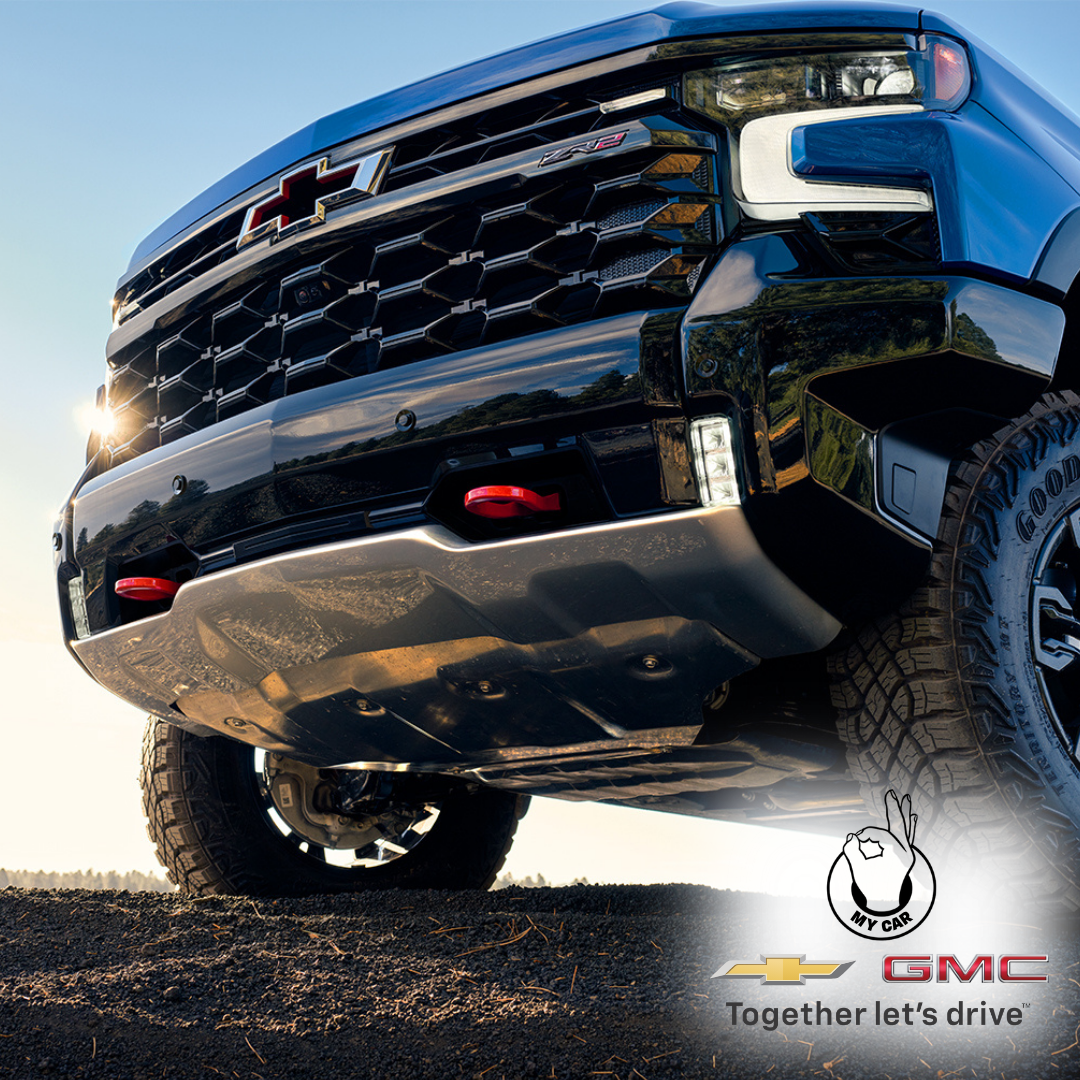
If you’re shopping for a Chevy Silverado near Harrisburg, PA, you don’t have to limit your search to dealerships within Harrisburg itself. Expanding your search into Central Pennsylvania can give you more opportunities to compare Silverado trims, configurations, pricing and available inventory before deciding which truck is right for you.
Located in Millersburg, Pennsylvania, My Car Chevrolet GMC serves truck shoppers from Harrisburg and communities throughout Central PA. Whether you’re looking for a Silverado 1500 for everyday driving, a work-ready pickup, an off-road-capable Trail Boss or a more premium truck, finding the right Silverado starts with understanding your options.
Here’s what Harrisburg-area truck buyers should consider before choosing their next Chevrolet Silverado.
Shopping for a Chevy Silverado Near Harrisburg, PA
The Chevrolet Silverado has long been a popular choice for drivers who need a truck capable of handling work, towing, recreation and everyday driving.
That versatility is particularly valuable in Central Pennsylvania. A pickup might spend Monday through Friday commuting or working around Harrisburg, then spend the weekend hauling equipment, towing a camper or heading into rural Pennsylvania.
Instead of simply searching for the closest truck, consider comparing:
- Silverado trim level
- Engine and drivetrain
- Cab configuration
- Bed length
- Towing requirements
- Payload needs
- 2WD versus 4WD
- Technology and comfort features
- Available incentives
- Trade-in value
- Financing options
- Overall purchase price
The best deal isn’t necessarily the truck with the lowest advertised number. It’s the truck that gives you the right combination of equipment, capability and overall value for how you plan to use it.
Why the Chevy Silverado 1500 Works for Central Pennsylvania
One of the Silverado 1500’s biggest strengths is how many different jobs one truck can be configured to handle.
Chevrolet offers multiple engines and configurations, allowing shoppers to prioritize everything from everyday usability to towing and off-road capability.
Depending on configuration and equipment, the Silverado 1500 offers engines including the TurboMax™, 5.3L EcoTec3 V8, 6.2L EcoTec3 V8 and Duramax® 3.0L Turbo-Diesel.
Properly equipped Silverado 1500 models can offer up to 13,300 pounds of available trailering capability, making the truck an option for drivers who regularly tow trailers, campers, equipment or other recreational gear.
For Pennsylvania buyers, available four-wheel drive and off-road-focused Silverado models can also make the lineup appealing for changing weather, rural roads, jobsites and weekend adventures.
Of course, maximum towing and payload ratings vary based on configuration, engine, drivetrain and equipment. Always verify the capability of the specific truck you’re considering against your actual towing or hauling requirements.
Which Silverado Trim Is Right for You?
Another reason to shop around before buying is the variety within the Silverado lineup. Two Silverado 1500s sitting next to each other can be very different trucks.
Silverado WT
The Silverado Work Truck (WT) is designed around functionality and capability. It’s a natural place to start for contractors, businesses, fleets and buyers who prioritize getting the job done.
Silverado Custom
The Silverado Custom adds additional styling and convenience while maintaining a value-focused position in the lineup. It can be an appealing choice for buyers who want an everyday truck without jumping immediately into higher trim levels.
Silverado Custom Trail Boss
For buyers interested in additional off-road capability, the Custom Trail Boss adds equipment including a factory 2-inch suspension lift and Z71 Off-Road Package.
Silverado LT
The Silverado LT moves further into comfort and technology. It’s an excellent trim to consider for someone whose truck needs to work hard but also serves as a daily driver.
Silverado RST
The Silverado RST combines capability with a sportier, street-inspired appearance. Body-color exterior elements help distinguish it from some of the more traditionally styled Silverado trims.
Silverado LT Trail Boss
The LT Trail Boss combines LT features with additional off-road equipment, including a factory 2-inch suspension lift and Z71 Off-Road Package.
For Central Pennsylvania drivers who want a truck equally at home on pavement and away from it, this is one trim worth putting on the shopping list.
Silverado LTZ
The Silverado LTZ takes a more premium approach while maintaining the capability expected from a full-size pickup. Buyers can find additional comfort, technology and available camera features designed to make everyday driving and trailering easier.
Silverado High Country
For shoppers who want capability with a more upscale interior, the Silverado High Country sits near the premium end of the lineup. Available features include advanced technology and driver-assistance systems.
Silverado ZR2
The Silverado ZR2 is the lineup’s serious off-road option, with equipment designed specifically for more demanding terrain.
The right trim ultimately depends on what matters most to you. A contractor, daily commuter, camper owner and off-road enthusiast may all choose a Silverado—but they probably shouldn’t choose the exact same Silverado.
What Should You Compare When Shopping for a Silverado?
Searching for a Chevrolet Silverado for sale near Harrisburg can produce plenty of options. The harder part is determining which truck represents the best value.
Start by comparing vehicles as closely as possible.
A lower-priced Silverado may have a different engine, drivetrain, cab, bed or equipment package than another truck you’re considering. Likewise, a more expensive truck could include equipment you’d otherwise want to add later.
Pay particular attention to:
Engine
Think beyond horsepower alone.
If you plan to tow regularly, commute long distances or use the truck commercially, your ideal engine may differ from someone primarily looking for a comfortable daily driver.
Cab and Bed Configuration
Consider how often passengers will ride with you and what you typically carry.
Crew Cab configurations can be attractive for drivers who regularly carry family, coworkers or friends, while bed configuration becomes particularly important if the truck will frequently haul tools, materials or equipment.
Towing Equipment
Don’t assume every Silverado with the same engine has the same towing capacity.
Actual trailering ratings depend on the truck’s specific configuration and equipment. If towing is a major reason you’re buying a Silverado, tell the dealership exactly what you plan to tow so you can evaluate appropriately equipped trucks.
Four-Wheel Drive
For many Central Pennsylvania truck owners, 4WD is high on the priority list. Consider where you drive, the conditions you encounter and how you plan to use the truck rather than choosing solely based on what is most common.
Features You’ll Actually Use
It’s easy to focus on the longest feature list.
Instead, prioritize the features that will make a meaningful difference in your ownership experience—whether that’s trailering technology, additional cameras, interior technology, heated seating, off-road equipment or driver-assistance features.
Why Look Outside Harrisburg for Your Next Silverado?
When you’re making a major purchase, expanding your search radius can make sense.
Harrisburg is the center of a large automotive market, but shoppers throughout the region also have access to dealerships in surrounding Central Pennsylvania communities.
That gives buyers the ability to compare inventory, configurations, trade values, financing opportunities and overall pricing rather than choosing a dealership simply because it’s the closest one.
For someone planning to own a truck for years, an additional drive during the shopping process can be worthwhile if it helps you find the Silverado configuration and buying experience you’re looking for.
That’s where Millersburg enters the picture.
Shop Chevy Silverado Trucks in Millersburg, PA
My Car Chevrolet GMC is located at 640 State Street in Millersburg, PA, north of Harrisburg in the Susquehanna Valley.
We work with truck shoppers from Harrisburg, Halifax, Elizabethville, Lykens, Millersburg, Camp Hill, Selinsgrove, Sunbury and communities throughout Central Pennsylvania.
Our goal isn’t simply to put you into any Silverado on the lot. It’s to help you compare the available options and find a truck that makes sense for your needs and budget.
Whether you’re searching for a work truck, everyday pickup, Trail Boss, premium Silverado or a specific engine and configuration, checking available inventory before making the drive can help narrow your search.
Around here, we like to say “Trucks are cheaper in the valley.”
There’s only one way to see if that’s true for the Silverado you’re shopping for: compare.
Make the climb to Millersburg and see what your options look like.
Trading In Your Current Vehicle for a Silverado
If you already own a car, SUV or truck, your trade-in can be an important part of your Silverado purchase.
Before shopping, it’s helpful to understand approximately what your current vehicle is worth. Factors including mileage, condition, age, equipment, vehicle history and current market demand can all affect trade value.
You may also be able to trade a vehicle that still has an outstanding loan. In that situation, the dealership will compare the vehicle’s trade value with the remaining loan payoff as part of the transaction.
Knowing both numbers gives you a clearer picture of your position before choosing your next truck.
Financing a Chevy Silverado Near Harrisburg
Financing is another reason to evaluate the total transaction rather than focusing exclusively on one advertised number.
Depending on the vehicle and buyer qualifications, Chevrolet programs and dealership financing options may change throughout the year.
Consider factors including:
- Vehicle selling price
- Down payment
- Trade equity
- Interest rate
- Loan term
- Available manufacturer incentives
- Estimated monthly payment
- Total amount financed
A monthly payment can be useful for budgeting, but it shouldn’t be the only number you evaluate.
Understanding the entire structure of the purchase helps you compare Silverado offers more accurately.
New or Used Chevy Silverado?
Not every Silverado shopper needs to buy new.
A new Chevrolet Silverado may be attractive if you want the latest technology, current manufacturer programs, specific configurations or the benefits associated with purchasing a new vehicle.
A used Silverado can make sense for buyers who prioritize purchase price or find a well-equipped previous-model-year truck that fits their needs.
Neither option is automatically better.
Compare mileage, condition, equipment, warranty coverage, financing, price and intended ownership period before making the decision.
Find Your Chevy Silverado Near Harrisburg, PA
If you’re searching for a Chevy Silverado near Harrisburg, Pennsylvania, expand the map before making your decision.
The right truck may be worth a drive outside the immediate Harrisburg area.
At My Car Chevrolet GMC in Millersburg, you can compare available Chevrolet trucks, explore financing and trade-in options, and find the Silverado configuration that fits the way you actually plan to use your truck.
From work-ready pickups to Trail Boss models and premium Silverado configurations, there’s a wide range of possibilities within the Silverado family.
My Car Chevrolet GMC
640 State Street, Millersburg, PA 17061
Explore our current Silverado inventory or contact our team to start your search.
Frequently Asked Questions About Buying a Chevy Silverado Near Harrisburg, PA
Where can I buy a Chevy Silverado near Harrisburg, PA?
My Car Chevrolet GMC is located in Millersburg, Pennsylvania, and serves Silverado shoppers from Harrisburg and throughout Central PA. Buyers can compare available Silverado trucks, financing options and trade-in opportunities before visiting the dealership.
How far should I travel to buy a Chevy Silverado?
There isn’t one ideal distance. For a major purchase such as a truck, expanding your search beyond the nearest dealerships can give you additional inventory, configurations and pricing to compare. Harrisburg-area shoppers may find it worthwhile to include dealerships throughout Central Pennsylvania in their search.
How much can a Chevy Silverado 1500 tow?
A properly equipped 2026 Chevrolet Silverado 1500 can offer up to 13,300 pounds of available trailering capacity. Actual capability varies by engine, drivetrain, cab, bed, equipment and vehicle configuration. Always confirm the ratings of the specific truck before towing.
Does the Chevy Silverado come with four-wheel drive?
Four-wheel drive is available across multiple Silverado configurations. Availability depends on the specific trim and configuration you’re shopping for.
Which Silverado is best for off-road driving?
The Silverado lineup includes several off-road-focused choices. Custom Trail Boss and LT Trail Boss models feature factory off-road equipment, while the Silverado ZR2 is designed as the lineup’s more serious off-road performer.
Should I buy a new or used Silverado?
It depends on your priorities. New Silverado shoppers may prioritize current technology, manufacturer programs and specific configurations, while used-truck buyers may prioritize price and value. Comparing both can help determine which makes the most sense for your budget.
Can I trade in my current vehicle toward a Silverado?
Yes. A trade-in can typically be applied toward your next vehicle purchase. You may also be able to trade a vehicle with an existing loan balance, depending on its payoff and trade value.
What should I bring when shopping for a Silverado?
Consider bringing your driver’s license, insurance information, trade-in information and current loan payoff details if applicable. If you’re buying the truck specifically for towing, bringing the specifications of the trailer or equipment you need to tow can also help identify an appropriately configured Silverado.
Connect with us
